Prada Surrenders Human Centricity to Jordan Wolfson’s Uncanny Digital Avatars
 Instagram
Prada Surrenders Human Centricity to Jordan Wolfson’s Uncanny Digital Avatars
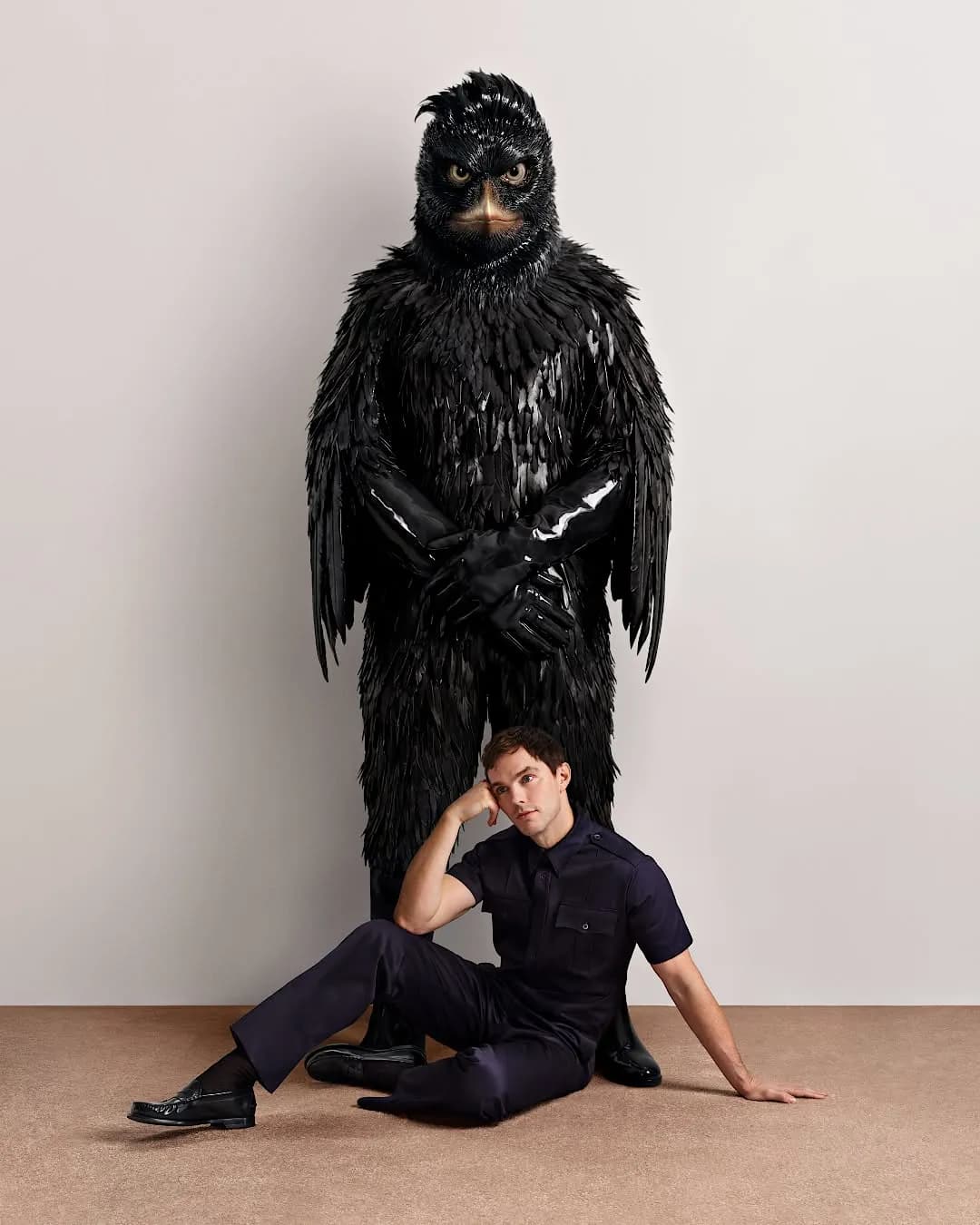
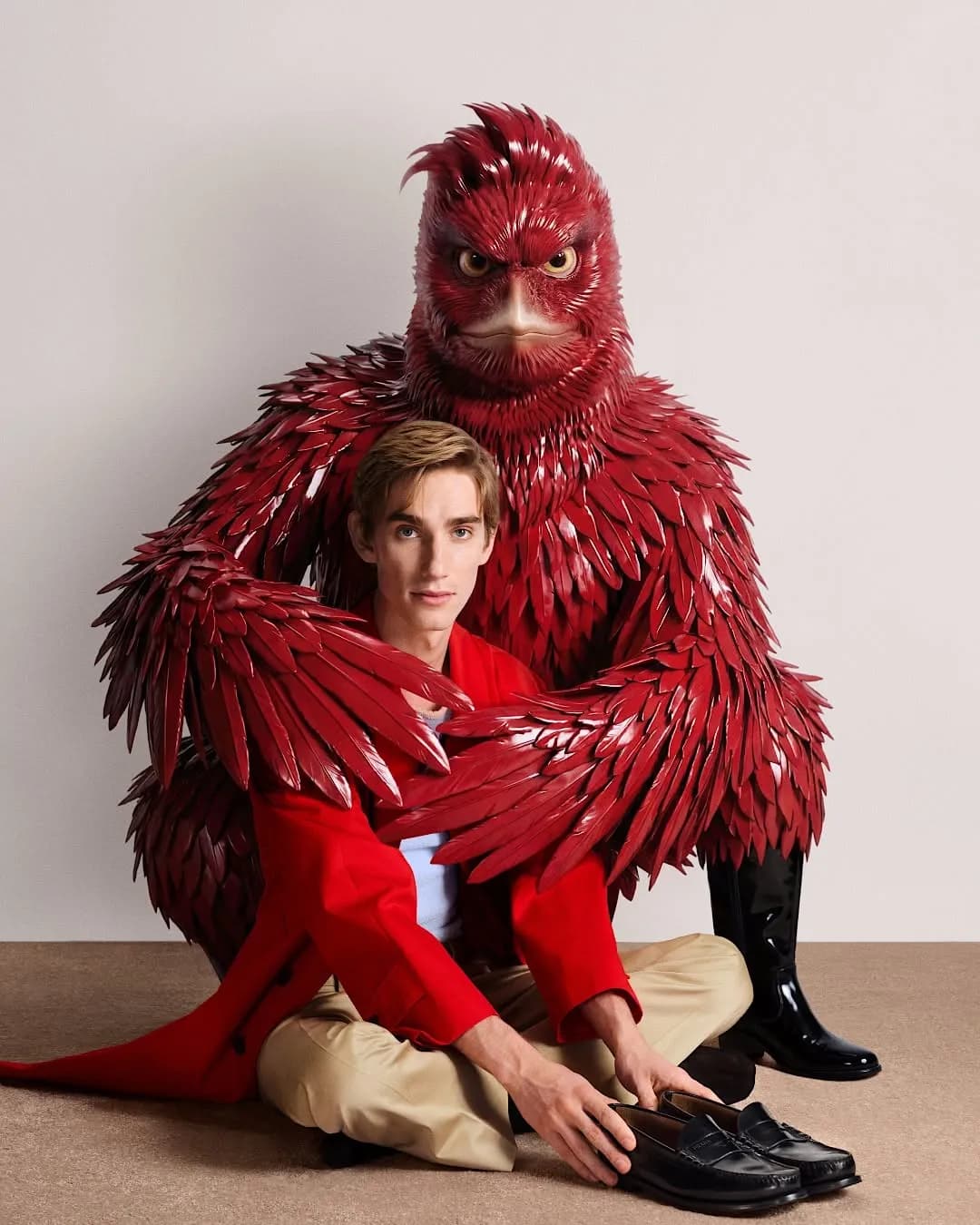
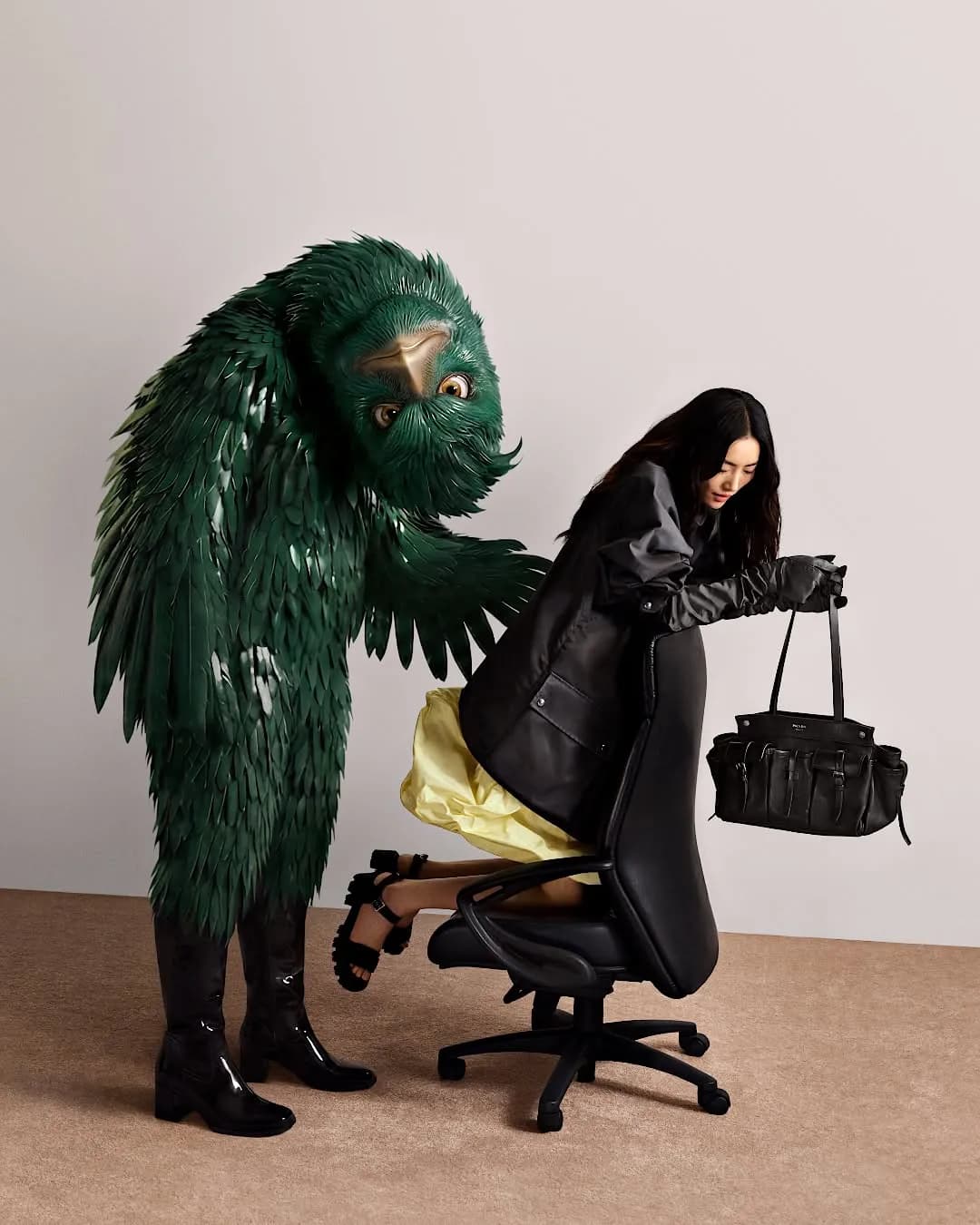
In a pivot from traditional celebrity worship, Prada integrates unnamed, hyper-real CGI entities alongside high-profile ambassadors like Hunter Schafer and Damson Idris for the SS26 “I, I, I, I am...” campaign. Despite a lower-than-average visual quality score of 59/100—likely due to the jarring, intentional "uncanny valley" aesthetic of the creatures—the collaboration leverages Ferdinando Verderi’s creative direction to blur the lines between high-fashion portraiture and provocative contemporary art.
Why it matters
This signal represents a strategic departure from the industry’s reliance on "clean girl" aesthetics and literal luxury, moving instead toward a psychological tension that challenges the viewer’s perception of reality. By tasking artist Jordan Wolfson with creating "unreal" co-stars for its human ambassadors, Prada reinforces its intellectual hierarchy, signaling that the brand is more interested in the "ever-evolving role of images" than standard commercial engagement. For C-suite executives, this move suggests a shift in the influencer economy where the digital "non-human" asset is used to temper the over-saturation of celebrity faces, creating a friction that demands longer eye-contact in a fast-scrolling medium. Competitors like Loewe or Balenciaga must now contend with an environment where "beauty" is subordinated to "concept," and where the avatar is no longer a helper, but a lead protagonist. Strategists should note the platform's response to this visual dissonance; as social algorithms prioritize dwell time, the discomfort of the "unreal" creature may drive higher engagement than a standard high-glamour shot. Moving forward, watch for how this "post-human" luxury aesthetic trickles down into retail experiences and AR-driven commerce, as Prada prepares its audience for a future where the digital and physical self are permanently entangled.
VQ Score
Likes
Comments